


China News
 2026/10/29
 source: International daily
 Print
— An Archaeological Bond Across Mountains and Seas Between a Chinese Villager and an American Professor
On October 22, a cool sea breeze swept through Rizhao, a coastal city in China. At the museum under construction at the Liangchengzhen site, Anne Underhill, her hair now silver, had arrived early and was waiting in the courtyard.
Soon, a familiar figure appeared at the entrance.
"Hello, Professor Underhill!"
"Oh, I'm so happy! Thank you for coming!"
"I've missed you so, so much! How have you been?"
"Very well!"
...
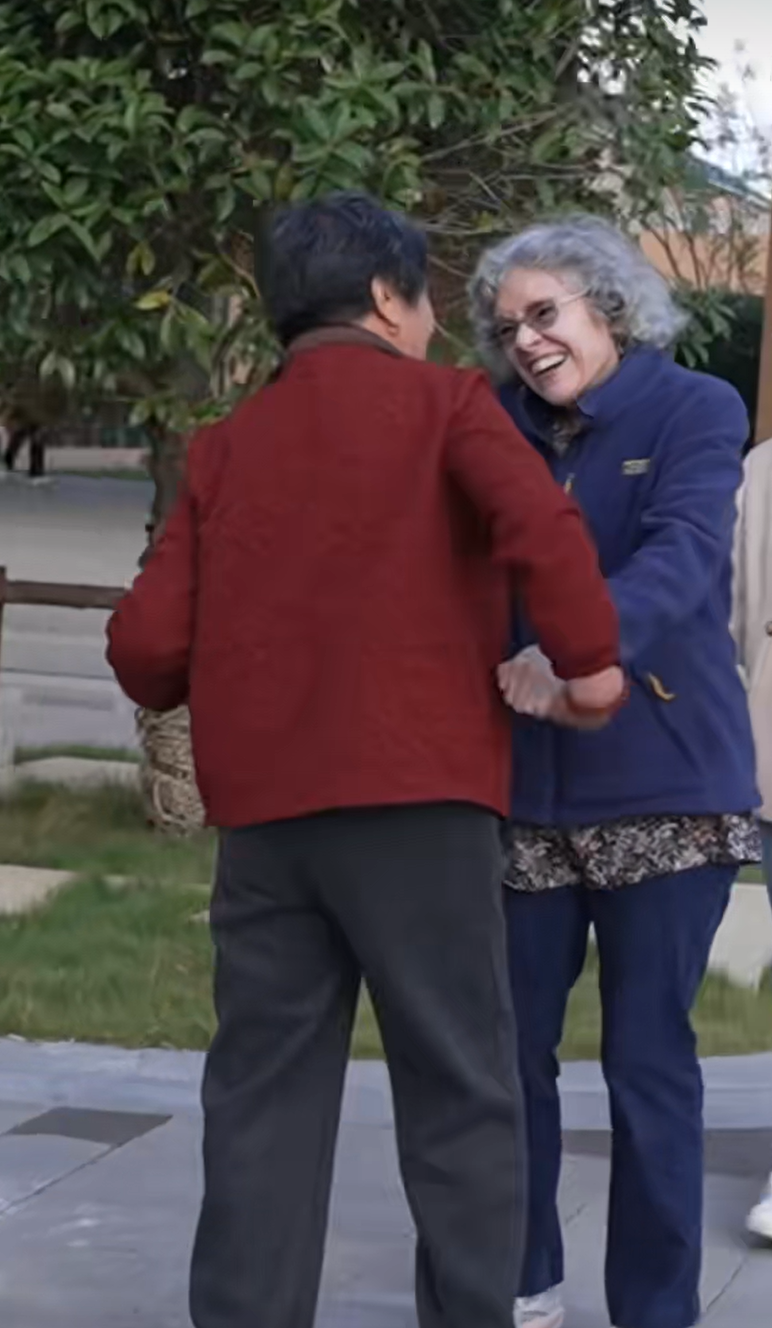
Anne Underhill (right) reunites with Zhou Jialian in Rizhao, Shandong, on October 22, after a decade apart. (Screenshot from video)
Spotting each other from a distance, the two women recognized one another instantly. Smiling, they hurried forward and embraced warmly. It had been ten years since they last saw each other.
Anne Underhill is a professor in the Department of Anthropology at Yale University in the United States. She had come to Rizhao to attend a symposium on the creative transformation and innovative development of Dongyi culture. The woman she was waiting to greet was Zhou Jialian, an ordinary villager from Liangcheng No. 6 Village, Liangcheng Subdistrict, Rizhao Shanhaitian Tourism Resort.
In 1995, Underhill arrived in Rizhao as the U.S. leader of a Sino-US archaeological research team. Over the following years, she and her colleagues conducted 13 years of archaeological surveys across southeastern Shandong centered on Liangchengzhen, along with three years of regional archaeological investigations in the excavation area of the Liangchengzhen site. During that time, she spent more than 20 days working in the courtyard of Zhou's home.
"We were partners. She dug the soil, and I carried it away. Whenever I did something wrong, she would say, 'OK, OK,'" Zhou recalled, laughing heartily.
Although language was a barrier, their simple, heartfelt kindness brought them together. An ordinary Chinese villager and an American professor forged an extraordinary friendship through their shared archaeological work.
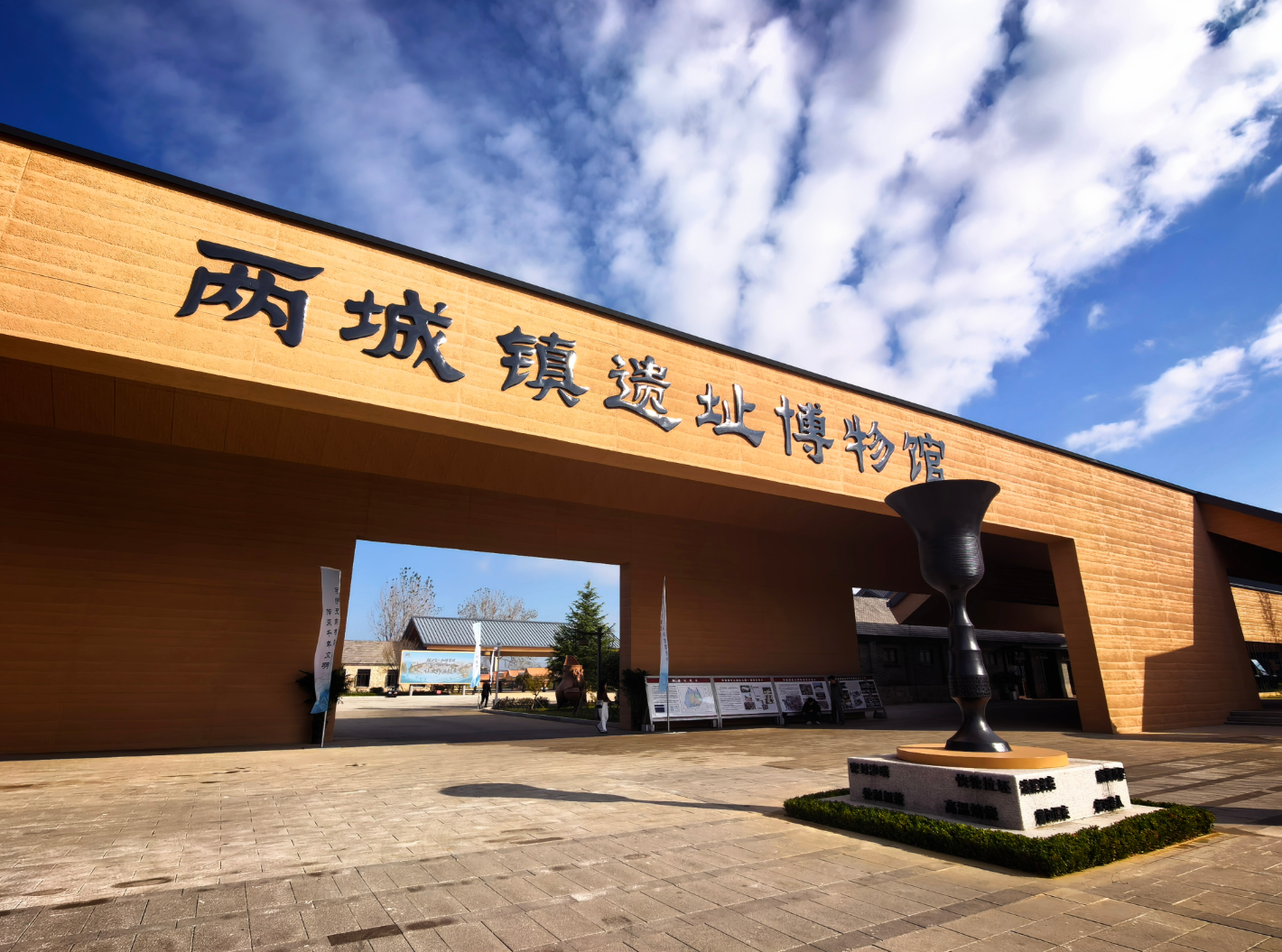
The Liangchengzhen Site Museum in Rizhao, currently under construction. (Photo by Ding Zhaoxia)
Dating to approximately 4400–3800 years ago, the Liangchengzhen site is a representative site of the Neolithic Longshan culture. Gao Guangren, a renowned Chinese archaeologist, once hailed it as a "sacred site of archaeology." In 1936, Liang Siyong, Qi Yanpei, and other pioneers of Chinese archaeology sank the first exploratory spade into the ground at the Liangchengzhen site. In 1995, a joint archaeological research team formed by Shandong University, Yale University, and other institutions in China and the United States began systematic surveys, exploration, and excavations at the site and in the surrounding area.
Underhill was the U.S. leader of the team. Through her and the team's efforts, the systematic regional survey method developed in the West was applied on a large scale in China for the first time. The scope of research expanded from a single archaeological site to a vast area of 3,800 square kilometers in southeastern Shandong. More than 6,000 archaeological sites were documented, revealing a settlement hierarchy consisting of three levels: major centers, towns, and villages.
In recognition of her outstanding contributions, Underhill received the Field Archaeology Award from China's National Cultural Heritage Administration and the Chinese Government Friendship Award. She was also named an Honorary Citizen of Rizhao.
For Underhill, Liangchengzhen has become much more than an archaeological site.
"I feel that Rizhao is my second home, so I'm especially happy to be back in Liangcheng to see my friends and see how Rizhao has changed," she said. "I feel very fortunate to have witnessed the tremendous changes that have taken place in every aspect of Rizhao over the past 30-plus years."
For Zhou, the American professor is no distant academic, either. She is an old friend who once crouched down to dig in her courtyard and chat with her.
As they prepared to say goodbye, the two old friends held on to each other's hands for a long, long time.
(By Ding Zhaoxia and Bi Shuya, Reporters for Dazhong News)
Photos
