


当前位置 : 洛杉矶时报增刊
 发布日期:2026/11/5
 来源:International daily
 打印
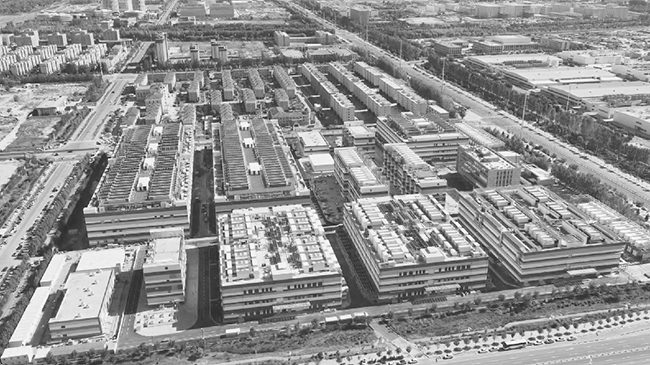
North China's Inner Mongolia Autonomous Region is stepping up its efforts to expand the computing-power sector, with 20 of the country's 30 leading private computing companies having established a presence in the region.
Inner Mongolia has emerged as one of eight national computing hubs under China's "East Data, West Computing" strategy. This initiative aims to have less-developed inland regions store and process data sent from the country's economically dynamic eastern areas, accelerating the development of an integrated national computing network.
Inner Mongolia's Hohhot is now accelerating the construction of a data center cluster at the Horinger New Area, one of China's top ten of its kind.
In the Horinger New Area, four of the data center buildings have already been delivered for operation, providing AI computing power to leading domestic internet companies. Upon full completion, the cluster will reach a total computing capacity of 230 megawatts.
The data center cluster attracts China's top computing service providers with decisive advantages.
The city's cool climate, with an average annual temperature of 7.7 degrees Celsius, provides natural cooling for up to six months a year, drastically reducing air-conditioning costs. About 80 percent of the electricity used in the cluster is green power.
Apart from the regional power grid and a dual-circuit power supply system, the cluster is also equipped with four diesel generator buildings, providing backup power supply in the event of power outages.
Housing 62 computing center projects, the Horinger New Area has formed a complete industrial chain that covers server manufacturing, computing power, and application development, fulfilling computing demands from the Beijing-Tianjin-Hebei, the Yangtze River Delta, and the Guangdong-Hong Kong-Macao Greater Bay Area.

24小时最新动态

热点排行
图片新闻